Have you ever wondered if your daily brushing habit does more than just keep your teeth clean?
What if we told you it could also help protect your heart?
This might sound surprising, but there’s a strong connection between your gums and your heart. In fact, gum disease could silently be putting your cardiovascular health at risk.
At Saphire Dental Clinic in Jumeirah, we’re here to help you understand how oral health and heart health are closely linked—and why regular check-ups matter more than ever.
The Shocking Link Between Gum Disease and Heart Health
Your mouth isn’t just for eating and speaking—it’s the gateway to your overall health. When plaque builds up on your teeth, it doesn’t just stay in your mouth. The bacteria can enter your bloodstream and trigger a harmful inflammation process that could eventually affect your heart.
When your gums are infected, tiny openings in the tissue allow bacteria to slip into your bloodstream. Your body reacts with inflammation, which can damage blood vessels and lead to a buildup of fatty deposits, setting the stage for heart disease. This means keeping your gums healthy isn’t just about having a pretty smile—it’s about protecting your heart.
What the Studies Say
Studies show a strong connection between poor oral health and an increased risk of heart problems.
Here are some eye-opening findings:
- People with gum disease have a higher risk of heart attack and stroke.
- Losing teeth or struggling with severe gum infections can point to an increased risk of cardiovascular issues.
- Even small habits like brushing your teeth regularly can help lower the chances of heart disease by reducing bacterial buildup in your mouth.
In fact, scientists have found traces of bacteria from the mouth in the walls of arteries, which can contribute to heart problems. This confirms that gum disease is more than just a dental issue—it’s a serious health concern.
Early Signs of Gum Disease You Shouldn’t Ignore
Your gums can give you early warning signs that something’s wrong.
Pay attention to these red flags:
- Bleeding gums: When brushing or flossing, if your gums bleed, it’s an early sign of inflammation.
- Swollen or tender gums: This often means bacteria are building up below the surface.
- Loose teeth or receding gums: If your gum line starts to pull back, it could signal advanced gum disease.
- Persistent bad breath: Often caused by bacterial infection.
- Food getting stuck between your teeth: It can be a sign of gum disease.
These issues might seem minor, but they indicate inflammation in your body that can travel beyond your mouth and affect your heart.
Who’s Most at Risk?
Some people are more likely to develop heart disease due to gum problems. If you fall into one of these categories, you should be extra cautious:
- People with diabetes: High blood sugar feeds the bacteria that cause gum disease.
- Smokers: Tobacco weakens your gums and slows healing.
- Those with existing heart conditions: If you have heart problems, gum disease can make things worse.
- People over 40, especially men: Age is a factor in gum health.
- Those who are overweight or stressed: These factors can increase the risk of both gum disease and heart problems.
If you fit into any of these groups, it’s crucial to take extra care of your oral health. Your dentist might even recommend treatments under antibiotic cover to protect you from complications.
Simple Habits for Healthier Gums and a Stronger Heart
The good news is, it doesn’t take much to keep both your gums and heart healthy.
Start with these simple habits:
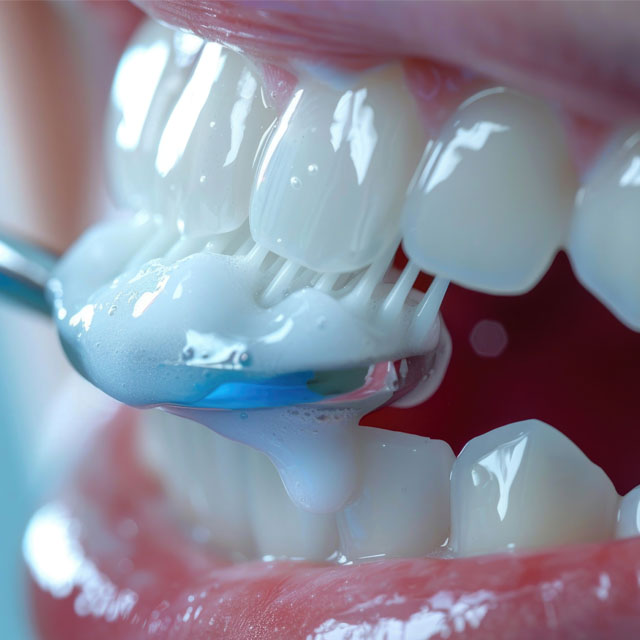
- Brush your teeth twice a day for two minutes each time.
- Floss daily to remove what brushing misses.
- Rinse with water after meals if you can’t brush right away.
- Change your toothbrush every 3-4 months.
- Eat lots of fiber, fruits, and leafy greens while cutting down on sugary foods.
- Avoid smoking and limit alcohol.
- Visit your dentist for check-ups every six months, or sooner if you notice any gum issues.
By keeping up with these habits, you’re not only protecting your smile—you’re also safeguarding your heart.
A Healthy Lifestyle Benefits Both Your Gums and Your Heart
Healthy habits don’t just protect your teeth—they help keep your heart in good shape too:
- Quit smoking: This is one of the fastest ways to improve both gum health and circulation.
- Control your blood sugar: Keeping diabetes in check helps both your mouth and arteries.
- Exercise regularly: Physical activity lowers inflammation and boosts your immunity.
- Manage stress: Stress can worsen gum problems and raise blood pressure.
- Drink plenty of water: Staying hydrated helps keep your mouth clean.
Even small lifestyle changes can make a big difference for your health.
How Saphire Dental Clinic Can Help
At Saphire Dental Clinic in Jumeirah, we understand how important your oral health is for your overall well-being. Our team is committed to helping you maintain healthy gums to support your heart and body. During your visits, we:
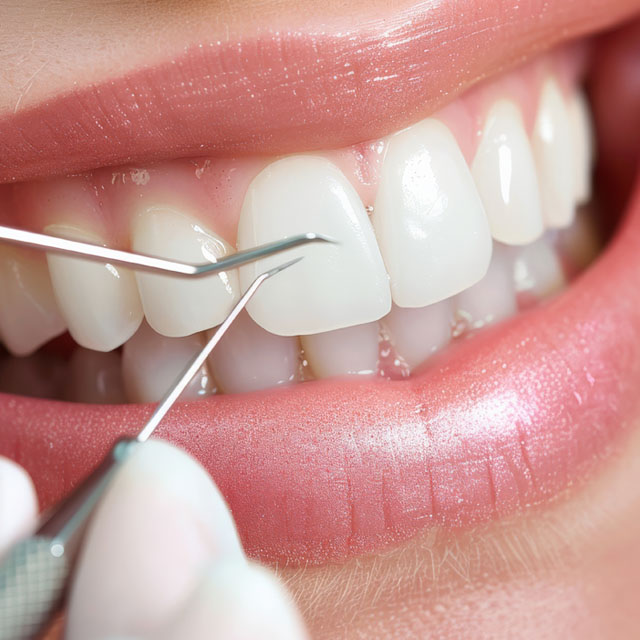
- Check for early signs of gum disease.
- Offer professional cleaning to remove plaque that brushing alone can’t.
- Review your medical history to spot any risk factors for gum or heart disease.
Remember, a healthy mouth is often the first step toward a healthier body.
Taking care of your gums is more important than you might think. Regular brushing, flossing, and dental check-ups can not only protect your smile but also help keep your heart in top shape. Don’t wait until it’s too late—take action now to safeguard your health.
At Saphire Dental Clinic, we’re here to support you on your journey to better oral and heart health. Book your FREE consultation today and take the first step toward a healthier smile and stronger heart!















.jpg)




.jpg)




.jpg)