Missing teeth affect more than just your smile. They change how you eat, how you speak, and often how confident you feel in daily life. Many patients visit our clinic asking the same question:
Is dental implant treatment really the right solution for me?
This article answers that question honestly—without complex medical terms or confusing explanations—so you can understand your options before taking the next step.
What Makes Dental Implants Different From Other Tooth Replacements?
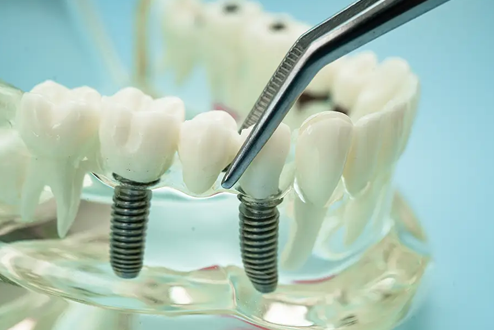
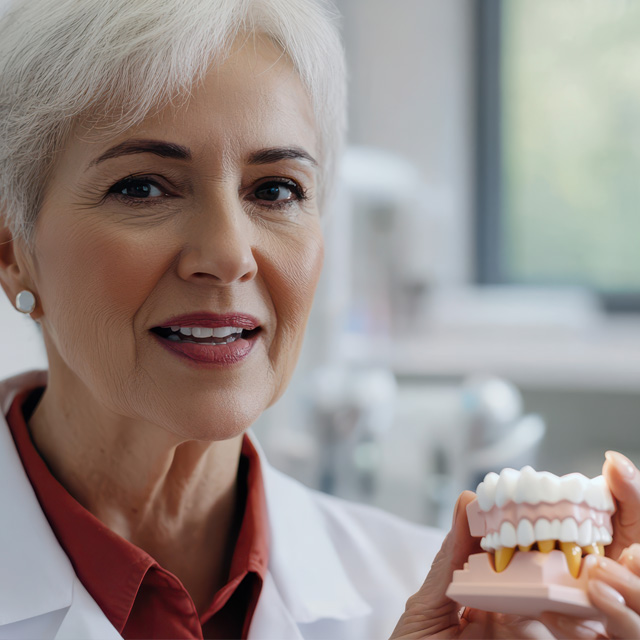
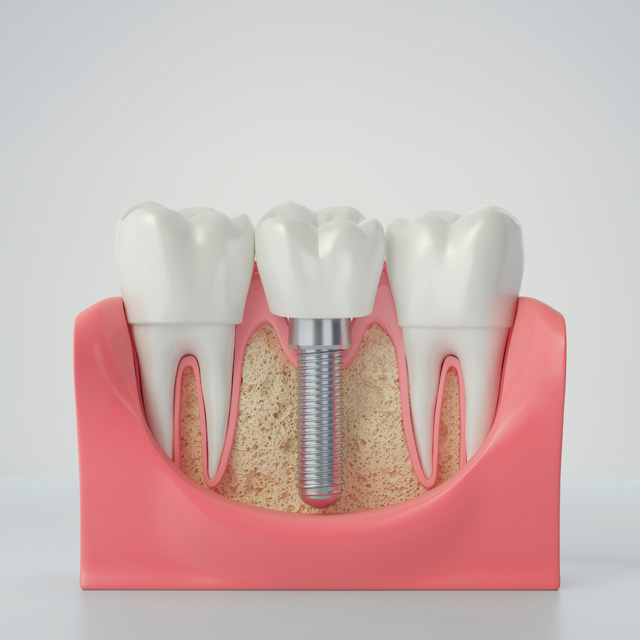
Dental implants replace the root of the tooth, not just what you see above the gum. A small post is placed inside the jawbone, where it becomes stable over time. A natural-looking tooth is then attached on top.
This is why implants feel stronger and more secure than removable options.
When Do Patients Usually Choose Dental Implants?
Patients often consider implants when they:
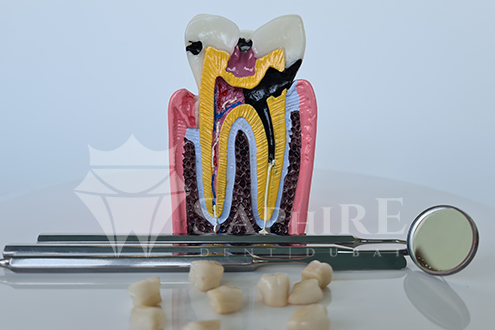
- Have lost a tooth due to decay, injury, or gum problems
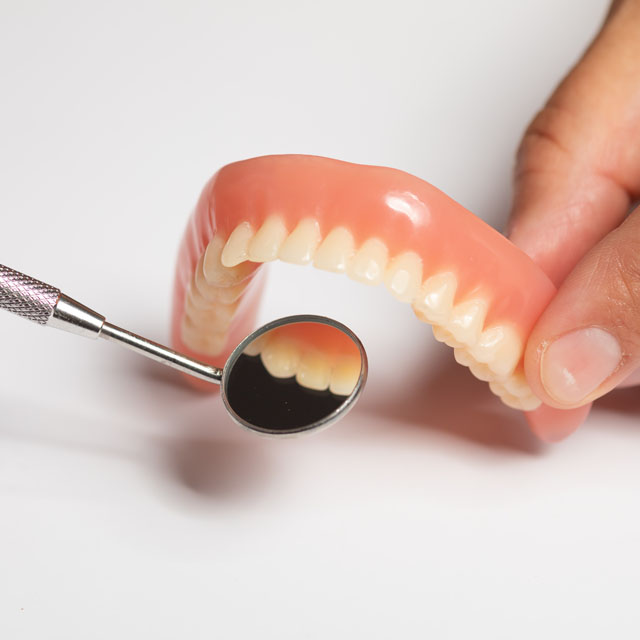
- - Feel uncomfortable with loose dentures
- - Want a fixed solution that does not rely on nearby teeth
- - Are looking for a long-term investment in their oral health
A clinical examination is always required to confirm suitability.
Dental Implant Services Available at Saphire Dent – Dubai
At Saphire Dent, we understand that no two patients are the same. That’s why we offer different implant solutions and guide each patient toward the safest and most suitable option.
1- Same-Day Teeth (Immediate Loading Implants)
In selected cases, a temporary tooth can be placed shortly after implant placement.
* Allows you to leave the clinic with a visible tooth
* Reduces waiting time
* Requires strong bone support and careful planning
Read more...
2- Single Tooth Implant
Ideal for replacing one missing tooth without touching surrounding teeth.
* One implant supports one crown
* Natural look and function
* Protects bone health over time
Read more...
3- All-on-4 Dental Implants
A fixed solution for patients missing most or all teeth in one jaw.
* Uses four implants to support a full set of teeth
* Often faster than placing many individual implants
* Restores chewing and confidence
Read more...
4- All-on-6 Implants
Provides additional stability using six implants.
* Suitable for patients needing extra support
* Improves strength and load distribution
* Designed for long-term comfort
Read more...
5- Zygomatic Implants
An advanced option for patients with severe upper jaw bone loss.
* Anchored in the cheekbone
* Often avoids extensive bone grafting
* Used only when standard implants are not possible
Read more...
Sinus Lift Procedure
Sometimes needed before implants in the upper back jaw.
* Creates space for new bone
* Allows safer implant placement
* Improves long-term success
Read more...
Bone Grafting
Recommended when bone volume is not sufficient.
* Strengthens the jawbone
* Increases implant stability
* Supports long-term results
Read more...
Full Mouth Implant Reconstruction
Designed for patients who need complete dental restoration.
* Replaces all teeth using implants
* Restores function, speech, and appearance
* Planned carefully in stages
Read more...
What Does the Dental Implant Treatment Process Look Like?
Dental implant treatment follows a clear, structured process designed to deliver safe, accurate, and long-lasting results. Rather than being a single visit, it is a step-by-step treatment journey that combines clinical examination with modern digital dental technology to achieve the best result.
Below is a detailed overview of each stage in the dental implant process.
1. Dental Examination and 3D Imaging
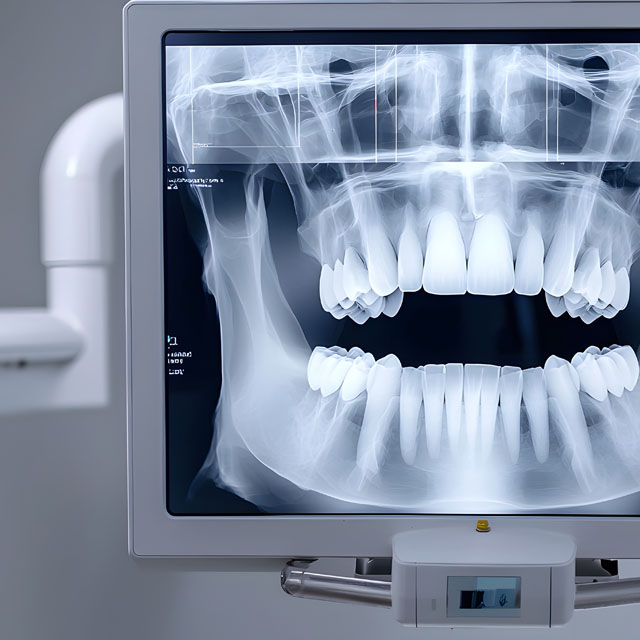
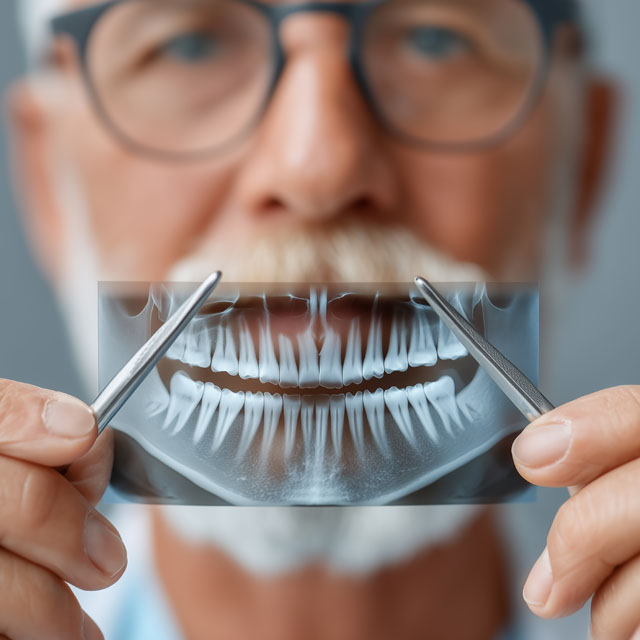
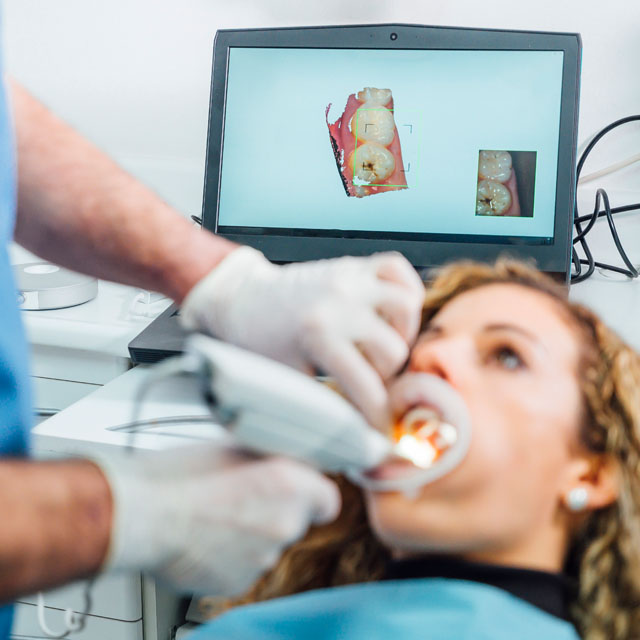
The first step in dental implant treatment is a comprehensive dental examination. During this visit, the dentist evaluates your gum health, jawbone condition, bite alignment, and remaining teeth.
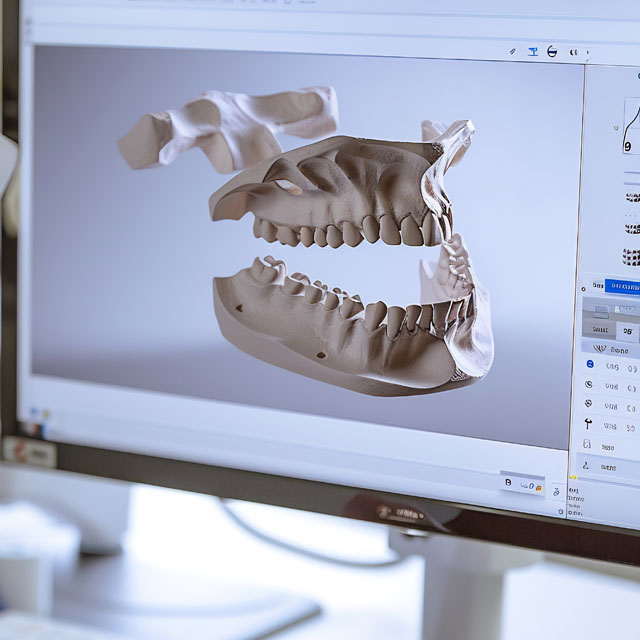
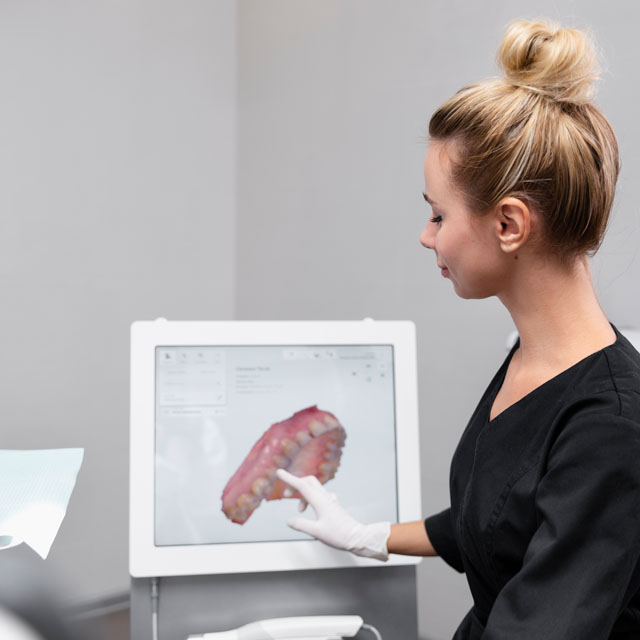
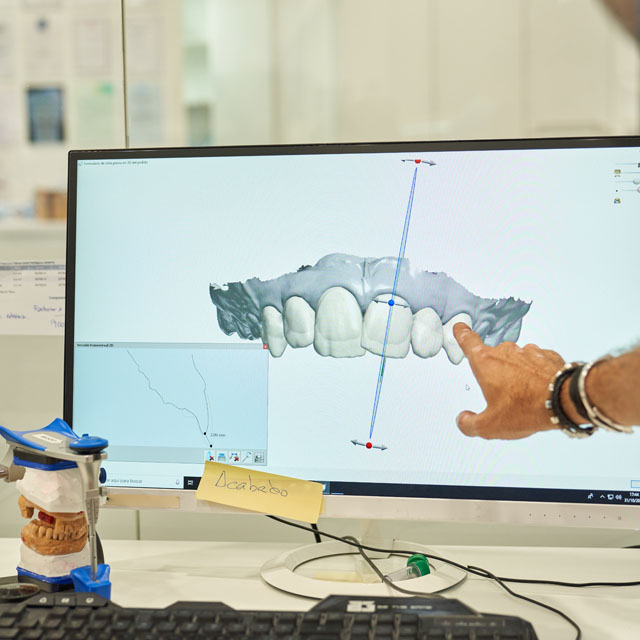
Advanced diagnostic tools such as 3D dental imaging and digital X-rays are used to assess bone volume, nerve position, and sinus location. In many cases, a digital dental scan replaces traditional impressions, providing highly accurate images of your teeth and bite.
Why this step is important: Accurate imaging helps reduce risks and allows precise implant planning.
2. Personalized Dental Implant Treatment Planning
After gathering all clinical and digital data, a customized dental implant treatment plan is created. This plan is tailored to your oral health condition, number of missing teeth, and long-term goals.
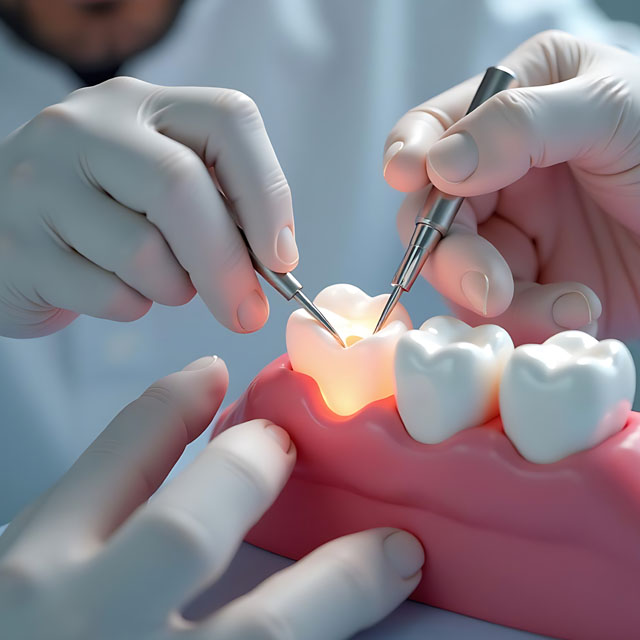
Digital planning software allows the dentist to pre-plan implant positioning before surgery. This includes selecting the correct implant size, angle, and depth. If additional procedures such as bone grafting or a sinus lift are needed, they are clearly explained at this stage.
implants
Why this step is important: Proper planning improves implant success and prevents unnecessary procedures.
3. Dental Implant Placement Procedure
The dental implant placement procedure is usually performed under local anesthesia. Using the pre-planned digital guidance, the implant is carefully placed into the jawbone.
In suitable cases, guided implant surgery may be used to improve accuracy and minimize tissue impact. This approach can help shorten recovery time and improve comfort. After placement, patients receive clear post-operative instructions to support healing.
Why this step is important: Correct placement ensures stability, comfort, and long-term performance.
4. Healing Phase and Bone Integration
Following implant placement, a healing period is required. During this time, the implant gradually bonds with the jawbone, creating a strong and stable foundation.
This healing phase can take several weeks to a few months, depending on individual bone quality and whether additional procedures were performed. Regular follow-up visits help monitor progress and ensure proper integration.
Why this step is important: Proper healing is essential for long-lasting implant success.
5. Final Crown or Teeth Placement
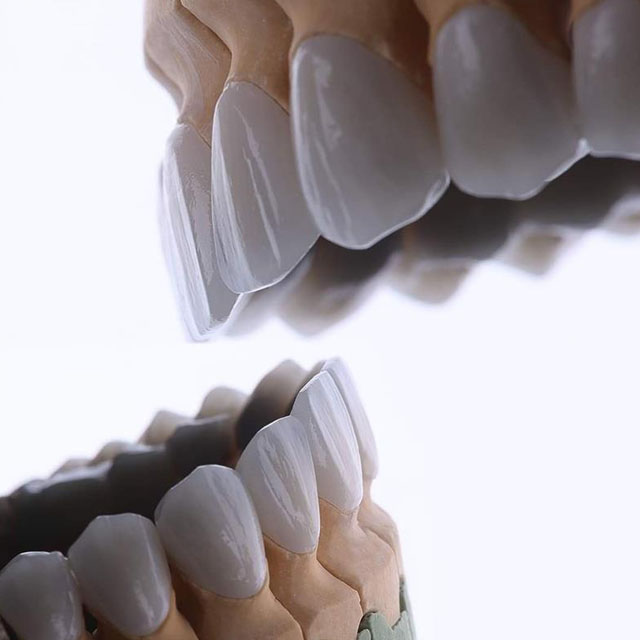
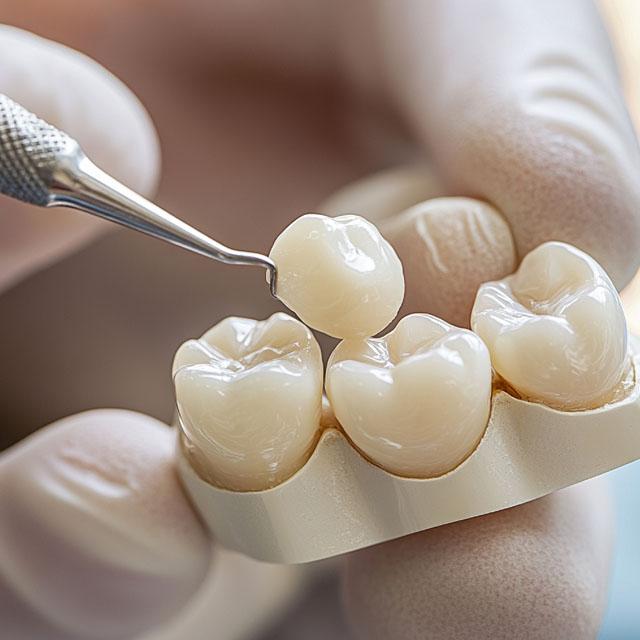
Once healing is complete, the final restoration is placed. A custom dental crown, bridge, or full set of teeth is designed using digital impressions to ensure a natural fit, proper bite, and balanced appearance.
The final teeth are adjusted for comfort and function, allowing you to chew, speak, and smile confidently.
Why this step is important: This stage completes the treatment by restoring both function and appearance.
Why This Step-by-Step Dental Implant Process Matters?
A structured dental implant process supported by digital dentistry improves accuracy, safety, and long-term results. Each stage builds on the previous one, ensuring that the final outcome is stable, natural-looking, and designed to last.
Each stage is designed to protect your comfort and long-term outcome.
Is Dental Implant Treatment Painful?
The procedure is usually done under local anesthesia. Most patients feel pressure, not pain.
After treatment, mild swelling or discomfort is normal and manageable. Any severe or worsening symptoms should be checked promptly.
How Long Do Dental Implants Last?
With proper care and regular dental visits, implants are designed to last many years. Daily cleaning and follow-up care are essential for long-term success.
Why Patients in Dubai Choose Saphire Dent?
Patients choose Saphire Dent because we focus on:
* Clear explanations without confusing language
* Personalized treatment plans
* Careful planning for long-term results
* Honest advice based on your real condition
We don’t rush treatment—we build it correctly.
Book Your Free Dental Implant Consultation
If you’re considering dental implants, the first step is understanding your options clearly.
Book a free consultation at Saphire Dent, Dubai and receive:
* A full oral assessment
* Clear, honest recommendations
* A treatment plan designed specifically for you
Your smile deserves a solution built to last—and it starts with the right guidance.







.jpg)













.jpg)











.jpg)